Culicidae
Mosquitoes

Remove breeding sites
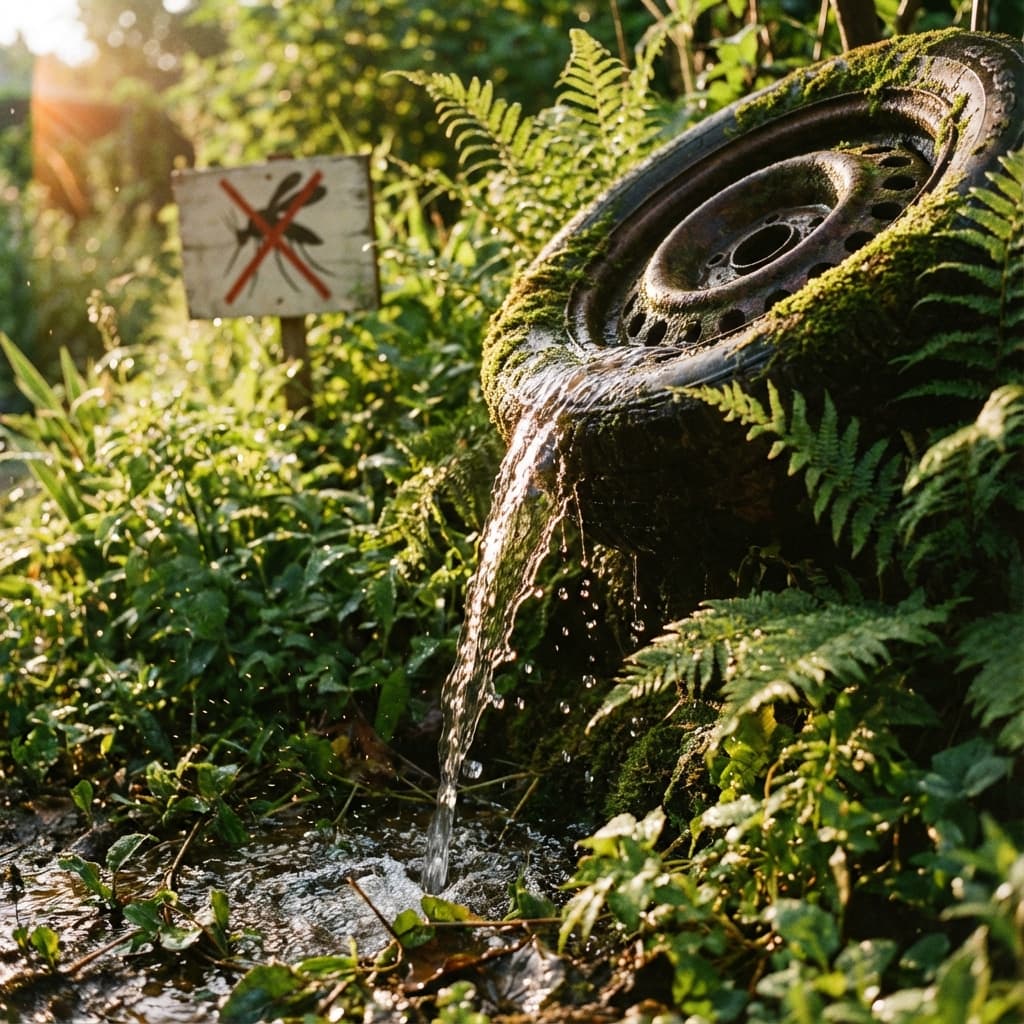
Plant saucers, buckets, tyres, gutters, drums and toys. Empty them and scrub the sides: tiger mosquito eggs stick just above the waterline and survive months dry.
When to report
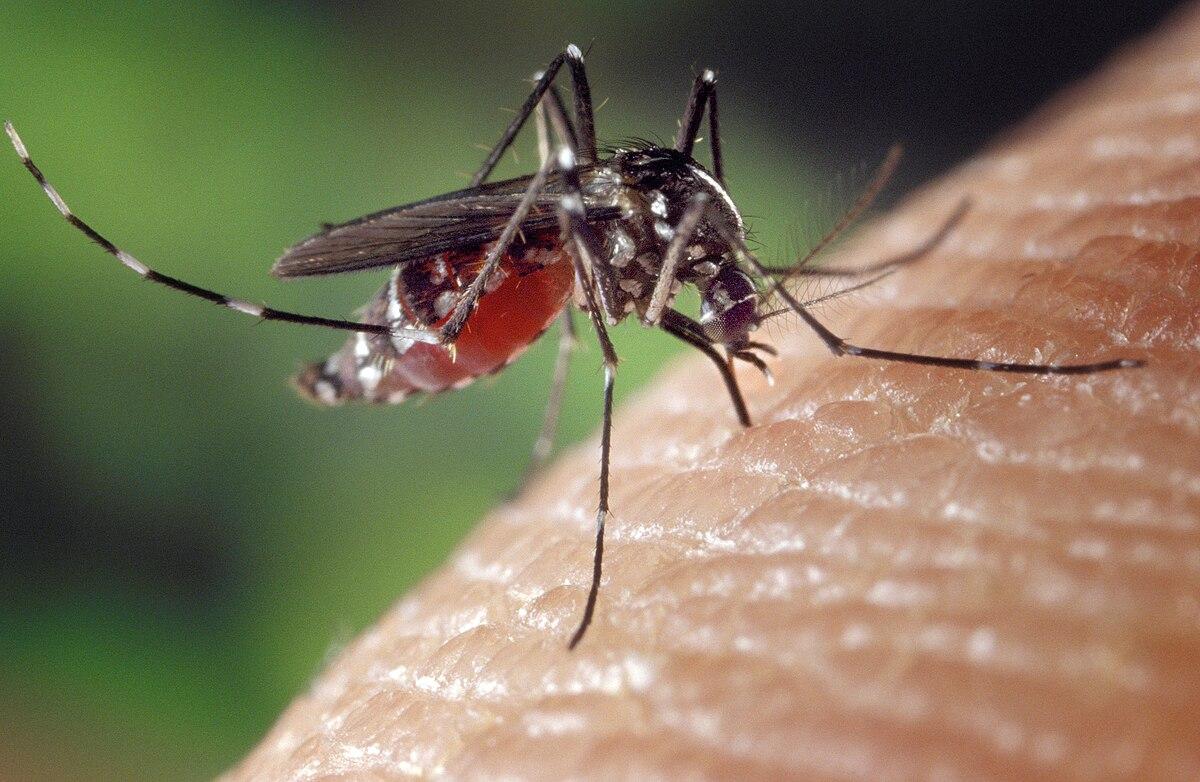
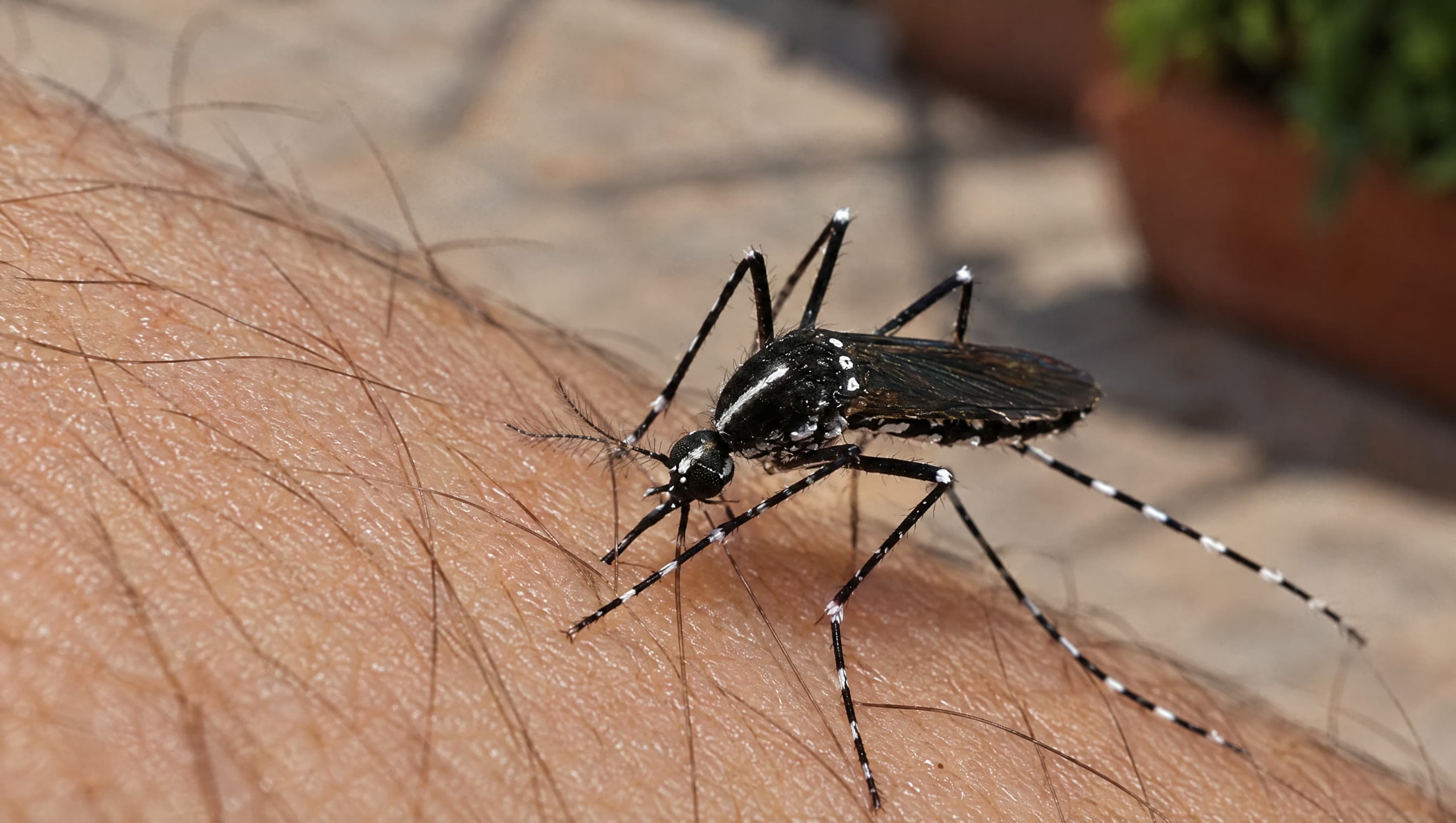
A mosquito with white stripes, bites during the day, or water with larvae or pupae. For a breeding site you do not need to know the species.
Recognising larvae
They live in water, wriggle in an “S” and come up to the surface to breathe. Pupae are comma-shaped. Red larvae on the bottom are usually non-biting midges — the team confirms.
After reporting: act
Empty, scrub or cover. In hot weather egg to adult can take only a week — reporting without removing the water leaves the cycle running.
Life cycle
Positive breeding sites and larvae
A positive breeding site is water with mosquito larvae or pupae. In OneVec just photograph and send — the team validates as Culicidae (family), with no larval species ID.
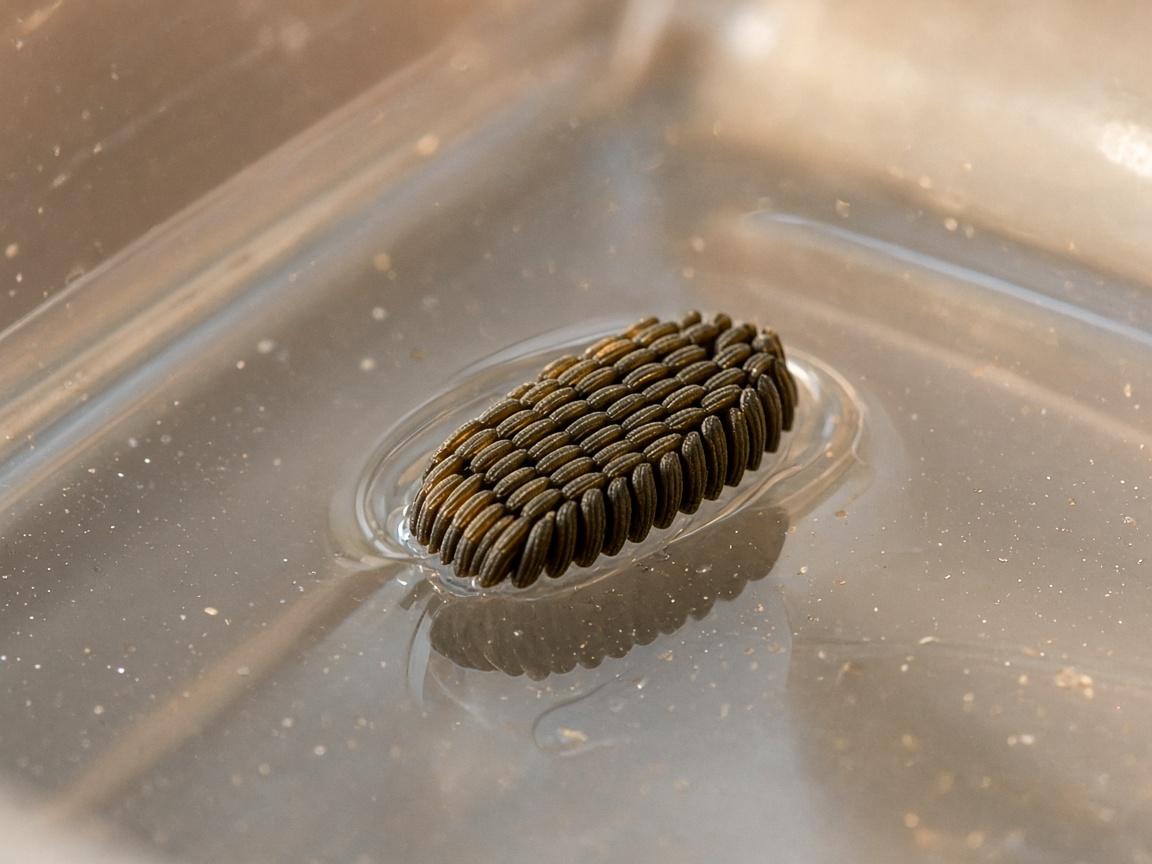
Larva: Culex (iNaturalist, CC BY). Pupa: Aedes albopictus (iNaturalist, CC BY). Other stages: illustrative images.
1. Egg
The tiger mosquito (Aedes) glues its eggs to the container wall just above the water; they survive months of drought and hatch when water returns. The common house mosquito (Culex) lays them together in a floating “raft”.
How to report
No need to photograph eggs. When you empty a container, scrub the sides to remove them.
Home prevention
Remove standing water
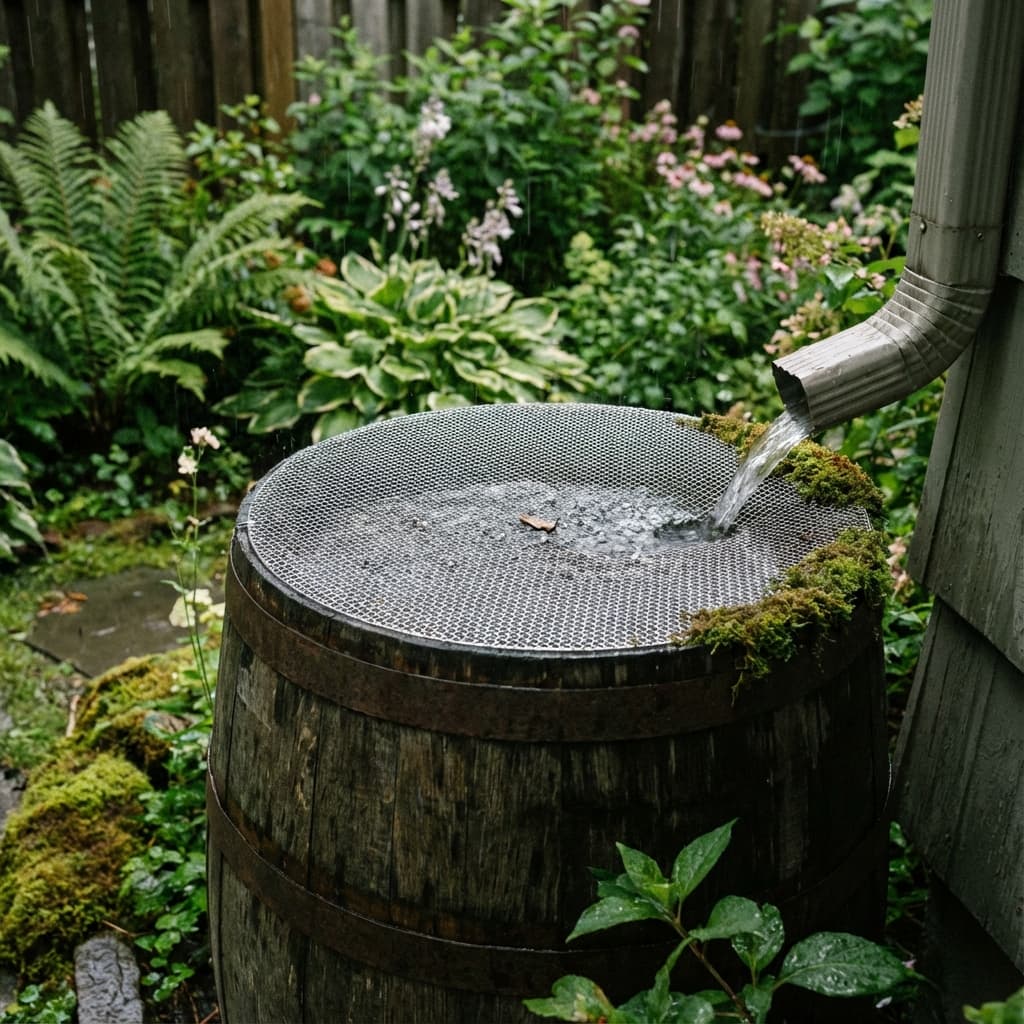
Cover containers

Clean gutters

Plant saucers

Window screens
Educational information. If illness is suspected, contact health or veterinary professionals and follow DGS / DGAV guidance.
Sources and official surveillance (9)
- REVIVE — 2025 Report (INSA) ↗
- REVIVE — INSA repository ↗
- Amankwaa et al. — One Health VBD surveillance in Europe (2026) ↗
- ECDC — Culex and invasive Aedes surveillance and control (2026) ↗
- ECDC — World Mosquito Day 2026 ↗
- Ae. albopictus in Portugal — genetic analysis (2024) ↗
- DGAV — animal health ↗
- iNaturalist (photos) ↗
- Citizen FAQ